
Repair, Restore, Create: Making Space with Steel Workshops
An old chest of drawers, an unfinished scale model or a collection of parts can hold the promise of an absorbing project. The difficulty often comes after that first burst of enthusiasm, when the work needs to continue around meals, household routines and other demands on the same space.
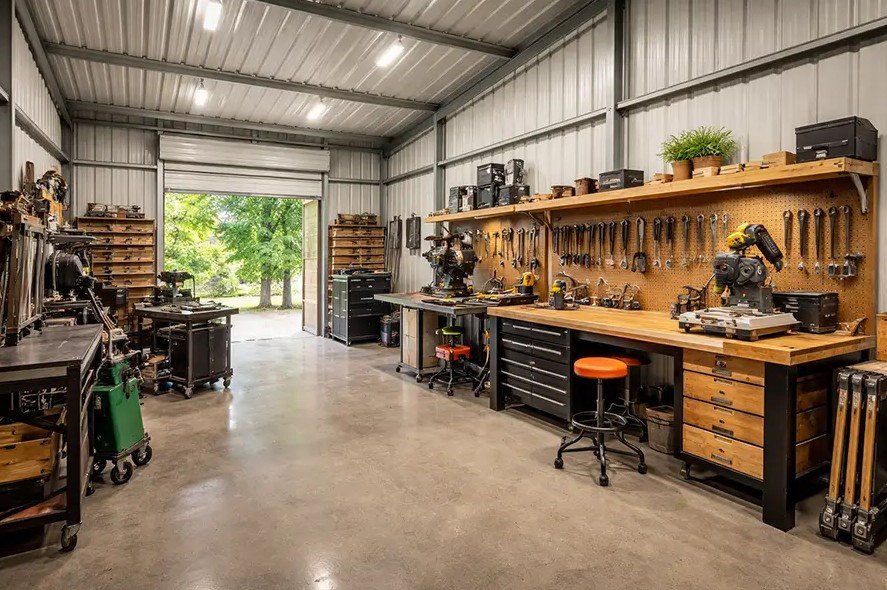
A dedicated workshop gives practical interests a place in everyday life. There is somewhere to examine a problem, test an idea and return to a job that needs several attempts. Steel workshops are one option for creating that separate setting, with the building chosen around the activities it will need to accommodate.
For anyone who enjoys repairing, restoring or making things, the useful starting question is what a permanent workspace would allow them to do more regularly.
Projects Need Somewhere to Pause
Many satisfying projects have natural gaps. A replacement component has to arrive, a decision needs more thought, or the next stage requires a free afternoon. During that interval, the project still needs a home.
In a shared room, pausing may involve returning every tool to a cupboard and finding a temporary place for the work itself. A dedicated space allows more of the project to stay organised between sessions, provided working areas and access remain clear.
Consider a model maker assembling a detailed railway scene. Buildings, track sections and small fittings may all be at different stages. Keeping them grouped with a drawing and a few notes makes the next session easier to begin. There is less need to reconstruct what happened last time.
This continuity is a useful reason to explore metal workshops. The building can become the place where a project progresses over weeks, with the tools and information for that particular job kept together.
Restoration Rewards a Slower Pace
Restoring an object involves a sequence of decisions. A chest of drawers might need its fittings examined, its joints assessed and its finish considered before the owner decides how far to take the work. There is value in being able to stop, look again and keep the different elements organised.
A workshop can support that pace by providing separate places for the object, its removable parts and the materials being considered. A labelled box for handles and screws may seem a small detail, but it becomes useful when the job takes longer than a weekend.
Give yourself space to compare the original details with possible replacements before committing to a direction. This is especially useful when the appeal of an object lies in its existing character.
The aim is to create a setting that makes patient work practical. Before adding specialist processes or equipment, establish what services and working conditions they require.
Making Things Includes Preparation and Finishing
A hobby often expands beyond the moment when something is being assembled. There are materials to sort, templates to prepare, measurements to check and completed pieces to examine. Someone making decorative signs or small display models may also want a place to photograph the results.
Think of a project as a journey through the room. Materials arrive, move into preparation, become part of the work and eventually leave as a finished item. Giving each stage an appropriate place can help prevent unfinished pieces from being mixed with items that are ready.
This is also worth considering when a hobby occasionally involves making something for somebody else. Keeping the agreed dimensions, reference images and components together helps each job retain its own identity.
Metal workshops can be considered for this kind of dedicated space, with the proposed layout and specification assessed against the intended activities. The useful question is how the whole process will work inside the building.
Build a Record of What You Learn
A familiar workspace can make it easier to organise experimentation. Keep a notebook for dimensions, adjustments and observations, and retain useful examples where they can be found again. A small display model that did not turn out as expected can still show what to change on the next attempt.
That approach gives each session a clear purpose. Instead of beginning with a vague intention to work on a project, choose one step: check an assembly, compare two arrangements or finish a component already in progress.
Leave a short note for the next session before putting the tools away. Record the next action and any item that needs to be obtained. This creates a connection between separate periods of work, especially when a hobby has to fit around an irregular schedule.
A dedicated building provides the setting for these habits. The habits themselves help turn an available room into a place where projects keep moving.
Where Steel Workshop Buildings Fit Into the Picture
Once the purpose of the space is clearer, it becomes easier to assess actual buildings. Steel workshop buildings can be compared through their proposed dimensions, openings and internal arrangement. A person working on small objects may have different priorities from someone restoring a bulky item that needs space on several sides.
For a concrete example, the steel workshops listed by Metal Garages UK include 6 m by 6 m and 6 m by 5.4 m configurations with differing finishes and access arrangements. Its offer is for building supply, with installation and bases arranged separately. The selected specification and delivery requirements are confirmed through a written quotation.
When looking at metal workshops for sale, use that distinction to develop a complete project plan. Establish what the building quotation covers, then identify the separate work and equipment needed to create the intended workspace.
Any requirements for electrical services, ventilation, insulation or specialist activities should be discussed explicitly. The words “workshop building” alone do not describe a fully equipped room suited to every task.
Let the Workspace Develop With Your Interests
It can be tempting to plan a new workshop around every hobby that might become interesting in the future. A more manageable starting point is the hobby you already practise regularly.
Begin by identifying the equipment that is used, the projects that are underway and the storage they require. Choose movable furniture where it suits the work, while following the mounting and stability requirements of any equipment involved. Leave room to reconsider the arrangement after using it.
A few months of ordinary activity can reveal which improvements would be useful. Perhaps completed work needs a better holding area, reference materials need their own shelf or a preparation surface is used more often than expected.
Assessing steel workshop buildings with this gradual approach in mind helps keep the discussion focused. The initial brief can describe real needs, while later purchases respond to experience within the space. Future changes still need to suit the building and its agreed specification.
Give Completed Projects a Route Out A productive workshop also needs a plan for finished work. Without one, completed pieces can occupy the surfaces needed for the next project, and the room gradually becomes a store of past achievements.
Decide what happens when an item is ready. It might return to the house, go to the person it was made for or move to a display area. Keep the final checks, photographs and any notes with the job until that handover is complete.
The same principle applies to leftover materials. Keep items with a realistic future use and review the rest periodically. Label useful offcuts or spare components so they can be identified without reopening every box.
Leaving a clear place for the next job helps preserve the workshop’s purpose. It remains somewhere to do things, with storage supporting the activity.
Start With a Project You Actually Want to Finish
Before comparing metal workshops for sale, choose a real project that has been waiting for space. Describe what completing it would involve, where the difficult stages occur and what currently interrupts the work.
That exercise produces a more useful brief than a list of equipment collected from photographs. It connects the proposed building to something you intend to do.
A dedicated workshop can then be planned around regular use: a place to return to, a way to keep work organised and enough room for the activities that matter. For people considering steel workshops, that connection between the building and the next worthwhile project is a practical place to begin.