
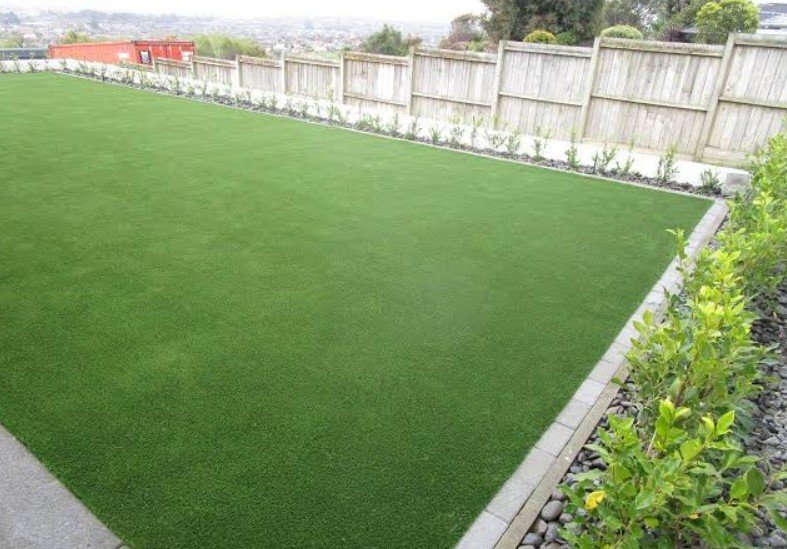
How Does Drainage Work Under Artificial Grass?
Artificial grass needs more than a good-looking surface to perform well. Beneath the fibres, a carefully prepared drainage system helps move rainwater, spills and pet urine away from the lawn. This is one of the main reasons experienced synthetic grass installers are so important. A well-installed surface should look natural while allowing water to drain efficiently.
What happens when rain reaches the surface?
Most quality artificial grass products are manufactured with drainage holes in the backing. When rain falls, water moves through the grass fibres and passes through these openings rather than remaining on top of the lawn.
The water then reaches the prepared base underneath. This layer is usually made from compacted crushed rock or another free-draining material. The base allows moisture to move away from the surface and into the surrounding soil or an installed drainage system.
The foundation makes the difference
Drainage performance depends heavily on how the ground is prepared. Synthetic grass installers must assess the slope, soil conditions and expected water flow before laying the turf.
If the base is uneven or poorly compacted, water may collect in low areas. If the existing soil drains slowly, additional drainage may be needed. Simply placing artificial grass over an unsuitable surface can lead to pooling, movement or unpleasant odours over time.
An experienced installer will create a stable base with the correct depth and fall. This helps direct water away from buildings, paved areas and other sections of the garden.
Why drainage matters for pet-friendly lawns
For homes with dogs, drainage is especially important. Pet urine needs to pass through the backing and away from the surface. A properly installed base makes it easier to rinse and maintain the lawn, reducing the chance of odours developing.
Professional synthetic grass installers can also recommend products with higher drainage capabilities for pet areas. The right combination of turf, base preparation and regular cleaning supports a fresher and more hygienic outdoor space.
Installation is more than laying grass
Artificial grass installation involves excavation, levelling, compacting, edging, joining and securing the turf. Each step affects how the finished lawn looks and performs.
Poor joins may become visible. Incorrectly secured edges can lift. An unsuitable base may shift or retain water. These issues are often difficult and expensive to correct once the project is complete.
Experienced synthetic grass installers understand how to prepare different surfaces, including soil, concrete, balconies and sloping gardens. They can adapt the installation method to the conditions of the property rather than applying the same approach to every project.
A lawn designed to perform
Good drainage is largely invisible, but it has a major impact on the lifespan and usability of artificial grass. When the surface and base work together, water can move away efficiently and the lawn remains stable throughout changing weather conditions.
Choosing qualified synthetic grass installers gives your project the strongest possible foundation. Professional installation helps protect the appearance of the lawn while supporting better drainage, easier maintenance and reliable performance over time.