
How to Request a Free, Honest Pest Control Assessment From Pointe Pest Control
Key Takeaways
- A professional assessment can help identify the pest, the extent of activity, and conditions that may be contributing to the problem.
- Pointe Pest Control states that new customers can begin with a free, honest assessment for residential or commercial properties.
- Inspection, prevention, targeted treatment, and follow-up monitoring are all important parts of a responsible pest-management approach.
- Property owners can prepare for service by documenting pest activity, clearing access to key areas, and disclosing prior treatments or access concerns.
Seeing ants along a counter, hearing movement in a wall, finding droppings in a garage, or spotting a wasp nest near an entryway can leave a property owner unsure what to do next. A practical response is to request an assessment from a pest control professional, who can help identify the likely pest, inspect the property, and discuss an appropriate service plan. Pointe Pest Control offers such assessments for residential and commercial properties across Washington, Oregon, Idaho, and Montana.
Prompt attention does not mean every single insect sighting requires extensive treatment. However, repeated activity, visible damage, nests, gnaw marks, droppings, shed skins, or pests appearing in multiple areas are good reasons to seek a professional evaluation. An inspection can replace guesswork with a clearer understanding of what is happening and where it may be starting.
How the Request Process Works
When making a request, it helps to describe what has been seen, where it was found, and how often the activity occurs. Details such as the time of day, visible damage, potential moisture issues, and whether the pest is indoors or outdoors can provide the technician with useful context before the visit.
Property owners can contact a pest control provider to request an assessment for a home or business. Pointe Pest Control serves Washington, Oregon, Idaho, and Montana, and the company says it provides both one-time treatments and ongoing service plans, depending on the property and pest concern.
Helpful Information to Share
- The type of pest observed, if known, or the signs left behind.
- The rooms, exterior areas, or structures where activity has occurred.
- How long the issue has been present, and whether it is becoming more frequent.
- Any previous do-it-yourself or professional treatments.
- Whether children, pets, tenants, food-preparation areas, or restricted-access spaces are present.
Before the appointment, clear reasonable access to areas such as utility rooms, garages, under-sink cabinets, attics, crawl spaces, or storage areas when possible. Photos of insects, droppings, damaged materials, or nest locations may also be useful, especially when pest activity is intermittent.
What Happens During an Inspection
An effective inspection looks beyond the immediately visible pest. Technicians may review interior spaces, exterior walls, doors, windows, vents, utility penetrations, foundations, landscaping, moisture sources, food-storage areas, and locations where pests can hide or enter.
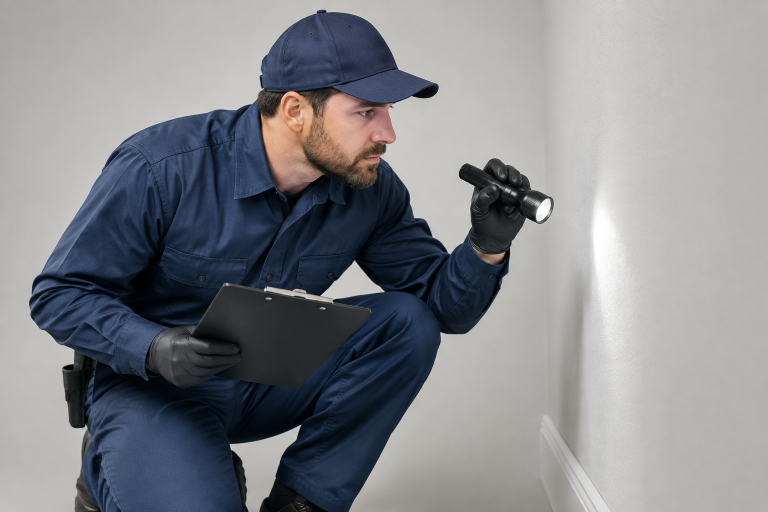
Accurate identification matters because different pests require different responses. The integrated pest management principles described by the Environmental Protection Agency emphasize monitoring, identification, prevention, and the selection of controls based on the situation, rather than relying on a single method for every problem.
Signs a Technician May Evaluate
- Droppings, gnaw marks, nesting material, or unusual odors associated with rodents.
- Ant trails, insect entry points, moisture conditions, and food sources.
- Webs, insect prey, cracks, clutter, and exterior harborage that may support spiders.
- Wasp flight paths, active nests, and nearby doors, decks, play areas, or workspaces.
- Bed bug spotting, harborages near sleeping areas, and possible pathways for spread.
- Wood damage or conditions that may be conducive to termite activity.
Common Pest Concerns Pointe Pest Control Can Address
Pointe Pest Control lists services for common pest problems, including ants, spiders, rodents, wasps, bed bugs, cockroaches, termites, and more. The right approach depends on the species involved, the level of activity, the structure, and the conditions around the property.
For example, rodent control may require attention to entry points, food storage, nesting areas, and monitoring. Ant activity may involve locating trails and reducing access to food or moisture. A wasp concern may center on nest location and the risk created by activity near frequently used areas. Treating the visible pest without examining the surrounding conditions may leave the original cause unaddressed.
Residential Pest Protection
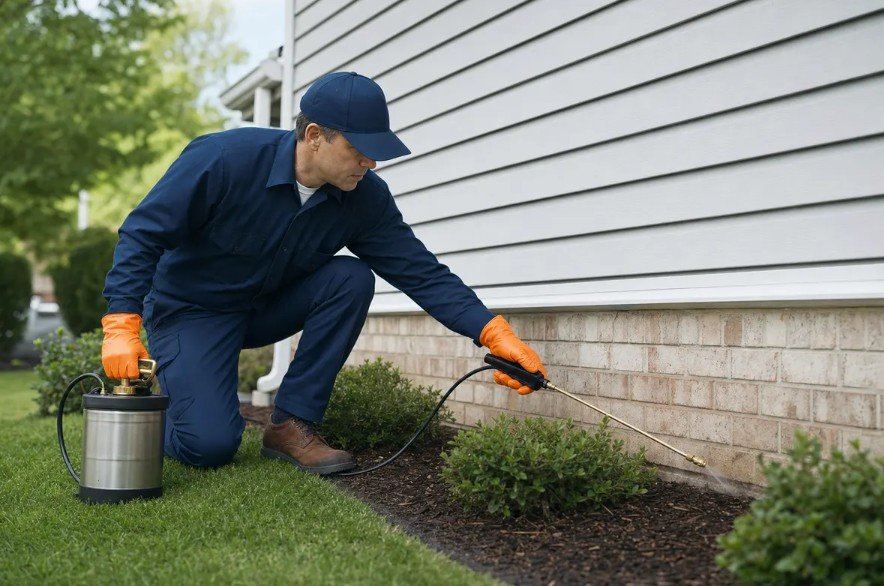
Homes can experience changing pest pressure throughout the year. Weather, landscaping, moisture, construction gaps, stored items, and nearby food sources can all influence what pests find attractive or accessible. Pointe Pest Control describes a residential protection program that can include interior service, exterior barriers, bait stations, nest removal, and quarterly visits.
Ongoing service may be particularly useful for households that have dealt with recurring pest activity or want regular monitoring. Rather than waiting until a pest issue is obvious, routine visits can help identify new conditions that deserve attention. If an issue appears between scheduled visits, customers should confirm the company’s current re-service terms for their specific plan.
Commercial Pest Control Needs
Businesses often have additional pest-control considerations because pests can affect inventory, food areas, equipment, customers, tenants, and daily operations. Restaurants, warehouses, property managers, and multi-site businesses may also need service records and coordination around access, staffing, sanitation, and operating hours.
Pointe Pest Control states that its commercial programs are documented at each service and designed for settings that need audit-ready records. A commercial assessment should account for the site’s specific risks, including receiving areas, dumpsters, break rooms, storage spaces, loading docks, utility rooms, and tenant-occupied areas.
Why Prevention and Monitoring Matter
Prevention is often as important as treatment. Sealing gaps, reducing clutter, addressing leaks, managing waste, properly storing food, and improving access for inspection can make a property less favorable to pests. These steps can also help a technician focus treatment where it is genuinely needed.
Rodents deserve particular attention because they can contaminate food and damage materials. The CDC recommends that property owners look for gaps and holes around a home, keep food and garbage secured, and reduce places where rodents can find shelter. A pest professional can help when activity occurs in difficult-to-reach spaces or when an exclusion and treatment plan is needed.
What to Compare Before Choosing a Pest Control Provider
Price is one consideration, but it should not be the only one. Before selecting a provider, property owners should ask whether the company inspects before recommending treatment, explains what was found, offers a plan tailored to the pest and property, and provides clear information about follow-up service.
- Inspection scope: Ask whether both interior and exterior conditions will be reviewed.
- Customized recommendations: Look for a plan based on the pest, the property, and the evidence found.
- Prevention guidance: Confirm whether the provider explains practical steps that can reduce future activity.
- Service options: Determine whether one-time and ongoing programs are available when appropriate.
- Documentation: Businesses and property managers should ask what service notes or records will be supplied.
- Communication: Choose a provider that clearly explains preparation steps, treatment expectations, and follow-up procedures.
Move From Pest Sightings to a Clearer Plan
A pest issue is easier to address when the response begins with a careful assessment rather than a guess. By documenting what has been observed, preparing the property for inspection, and asking questions about treatment and prevention, homeowners and business operators can make more informed decisions. A professional evaluation can help turn early warning signs into a targeted plan for protecting the property over time.