
How Coordinating Your Siding and Roofing Can Increase Curb Appeal and Home Value
The exterior of a home works best when every major element looks intentional rather than selected separately. Siding and roofing cover most of the visible structure, so coordinating their colors, textures, and overall styles can dramatically improve curb appeal. When these features complement one another, the property appears more polished, better maintained, and more valuable.…
The exterior of a home works best when every major element looks intentional rather than selected separately. Siding and roofing cover most of the visible structure, so coordinating their colors, textures, and overall styles can dramatically improve curb appeal. When these features complement one another, the property appears more polished, better maintained, and more valuable. Planning siding replacement and residential roofing together gives homeowners an opportunity to create a unified design while improving protection, insulation, and long-term performance.
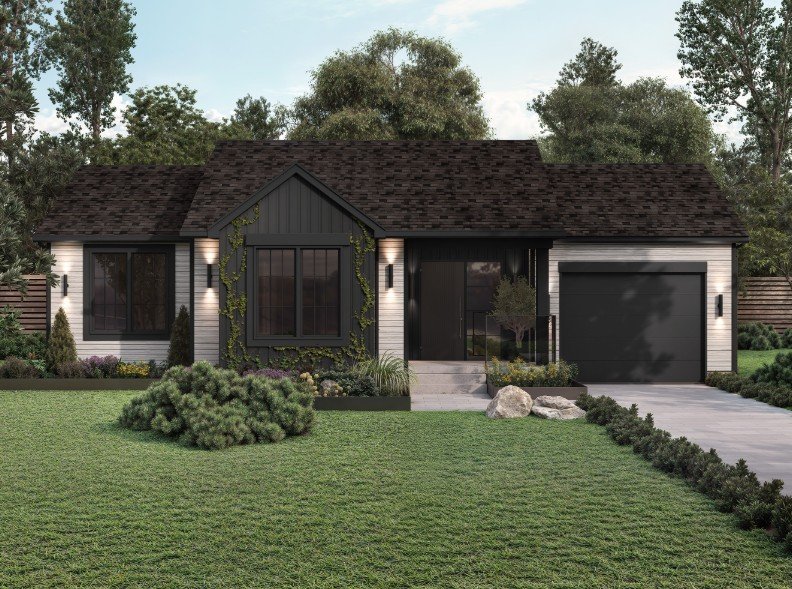
The first step is deciding which exterior feature should serve as the visual anchor. Because the roof typically lasts for many years, homeowners often begin with its color and material, then choose siding that supports it. A dark charcoal roof may pair well with white, beige, light gray, or muted blue siding, while a warmer brown roof can complement cream, tan, green, or earthy exterior shades. The siding should create enough contrast to keep the home interesting without making the roof and walls appear disconnected. Thoughtful roof choices can also highlight the shape of the home, including dormers, gables, porches, and other architectural details.
Texture matters just as much as color. A home with detailed architecture may benefit from siding that adds dimension, while a modern property may look better with clean lines and a simpler exterior palette. Homeowners can use trim, shutters, stone, brick, and accent areas to connect the roof and siding visually. During siding replacement, updated materials can improve the appearance of worn exterior walls while also offering greater durability and insulation. When combined with dependable residential roofing, these improvements can make an older home feel refreshed without changing its original character.
Energy performance is another reason to coordinate both projects. Damaged or deteriorating siding can allow drafts, moisture, and outdoor temperatures to affect the interior, while an aging roof may contribute to heat transfer and ventilation problems. Modern siding materials can provide better insulation, helping reduce energy costs and maintain more consistent indoor temperatures. A quality roof supports that performance by protecting the attic and helping the home manage seasonal weather. Completing siding replacement near the same time as residential roofing allows contractors to evaluate how flashing, trim, ventilation, gutters, and exterior transitions work together instead of treating each feature as an unrelated system.
Proper installation is critical to receiving these benefits. AGR Roofing & Construction explains that siding replacement should begin with a careful evaluation of the existing material, followed by accurate removal and precise installation of the updated siding. This attention to detail helps the new exterior perform efficiently and last for years. Homeowners should look for signs such as persistent cracks, weather damage, fading, loose panels, moisture concerns, or declining energy efficiency. Addressing these problems through professional siding replacement can prevent further deterioration while improving the home’s beauty and protection.
Coordinated improvements may also increase buyer interest. Prospective buyers often form an opinion within moments of seeing a property, and mismatched, damaged, or aging exterior materials can create concerns about maintenance. A roof and siding combination that looks clean and cohesive suggests that the home has received careful attention. Quality residential roofing offers essential weather protection, while attractive siding creates a finished appearance from every angle.
Timing both projects together may also simplify color selection, scheduling, inspections, and cleanup. It becomes easier to coordinate flashing, gutters, fascia, soffits, and trim when the entire exterior plan is considered in advance. Homeowners can avoid selecting new siding that clashes with a roof scheduled for replacement a year later, or installing a new roof that limits future exterior design options. The result should feel appropriate for the home’s architecture and the surrounding neighborhood while still reflecting the homeowner’s preferences.
Ultimately, coordinated roofing and siding decisions offer more than a cosmetic upgrade. They can enhance durability, improve insulation, reduce maintenance concerns, strengthen weather protection, and create a more valuable-looking property. By evaluating materials, colors, textures, and installation requirements as part of one exterior strategy, homeowners can achieve results that feel intentional and remain attractive for years. Professional planning helps ensure siding replacement and residential roofing work together to protect the structure, support indoor comfort, and give the home a polished appearance that makes a lasting impression.