
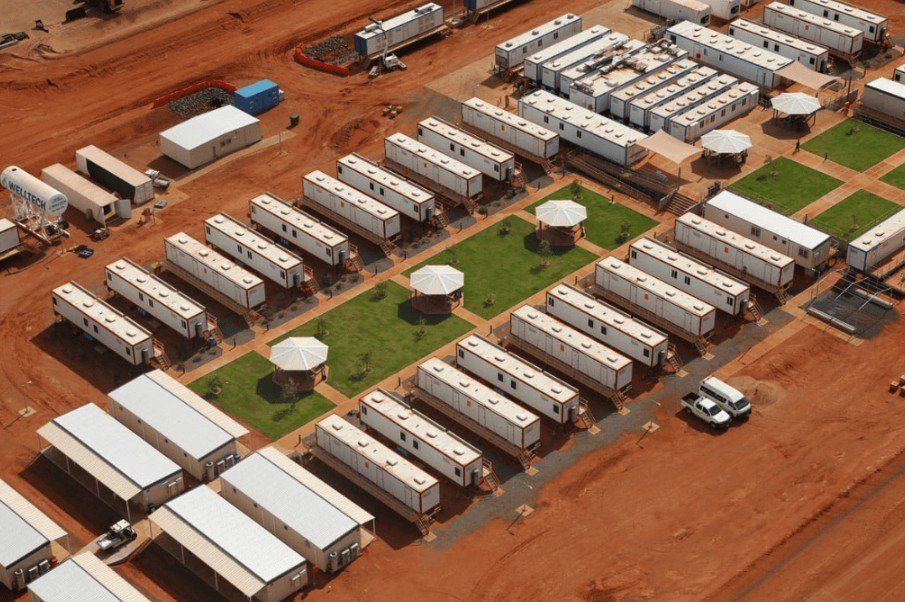
Building Reliable Worker Camps in WA: A Practical Guide for Mining Projects
Mining operations across Western Australia depend on fast, compliant, and comfortable worker accommodations. Every project, whether short term or multi-year, needs a setup that supports productivity, safety, and staff wellbeing. Good planning reduces downtime, avoids regulatory issues, and helps teams work more efficiently on remote sites.
This guide explores the most important factors for building dependable worker camps in WA, from selecting durable structures to managing transport logistics and setting up essential support facilities. It also explains how accommodation choices influence cost control, worker retention, and long-term site performance.
Why WA Mining Camps Need Strong, Compliant Worker Housing
Mining projects across WA often operate in harsh environments. Temperatures can shift quickly, red dust infiltrates equipment, and many sites sit far from towns or services. Worker accommodation must handle these conditions without impacting safety or comfort.
Reliable dongas, kitchens, ablution blocks, and site offices support:
- Consistent sleep quality for shift workers
- Proper hygiene and waste management
- On-site communication and supervision
- Safety during extreme weather
- Compliance with WA and national standards
These factors help reduce fatigue-driven incidents and keep operations running smoothly throughout the project timeline.
What Makes a Durable Mining Donga for WA Conditions?
Mining accommodation units take heavy daily use. A quality-built donga prevents structural failures and reduces maintenance downtime. When evaluating housing options, mining operators often focus on:
1. Structural Integrity
Steel frames, cyclone-rated construction, and high-quality wall panels help the unit last. Dust management features and elevated flooring support better airflow.
2. Thermal Performance
Sites across the Pilbara and Goldfields face intense heat. Insulation, air conditioning capacity, and proper ventilation can impact worker rest and energy use.
3. Interior Fit-outs
Durable flooring, moisture-resistant walls, and low-maintenance furnishings reduce repairs. Mine operators prefer layouts that support privacy and straightforward cleaning.
4. Transport Flexibility
Units frequently move across multiple projects. Easy lifting points, forklift pockets, and stackable structures help minimize handling time and trucking costs.
If a project needs scalable accommodation, many companies explore dongas for sale perth options to secure durable units that can be reused across sites without repeated rental expenses.
Key Support Facilities Every Mining Camp Should Include
An effective camp setup covers more than worker bedrooms. Supporting structures help maintain hygiene, health, and productivity.
Laundry and Ablution Blocks
High-capacity showers and toilets reduce waiting times and support hygiene on remote sites. Water-efficient fixtures and well-planned drainage systems prevent common maintenance issues.
Kitchen and Mess Facilities
Nutrition affects worker endurance and mood. Commercial-grade kitchens, cold storage rooms, and shaded eating areas support smooth daily operations.
Recreation Rooms
Gyms, lounges, and covered outdoor spaces help reduce stress. Even small recreational areas can improve worker satisfaction and retention.
Site Offices
Communication hubs are crucial. Modern site offices include data cabling, air conditioning, meeting rooms, and secure documentation areas.
Transport, Delivery, and Setup Considerations
Remote locations across WA introduce logistical challenges. Proper planning supports faster camp commissioning and lowers risk.
Transport Route Assessment
Some areas require travel across unsealed roads. Wider loads, curved access points, or steep grades may affect trucking options. Operators often coordinate routes weeks in advance to avoid delays.
Crane and Lifting Needs
Large modules, especially kitchen blocks or multi-room dongas, often need crane assistance at the final delivery point. Choosing providers with clear lifting plans speeds up installation.
Ground Preparation
Even leveling, compaction, and drainage are vital. Camps placed on uneven or soft ground experience structural movement that shortens the lifespan of units.
Compliance Checks
Electrical, fire safety, wastewater management, and workplace health standards differ between regions. Mining teams often consult guidance from WA regulators before commissioning their camps. A detailed review, such as the one outlined in the article on what you need to know about delivery, setup, and compliance when buying mining dongas in WA, helps prevent setbacks during setup and inspection.
Factors That Influence Accommodation Costs on WA Mining Sites
Budget control plays a major role in mining camp design. Several cost drivers influence total project spend.
1. Remote Delivery Charges
Transport companies factor distance, road quality, escort vehicle requirements, and fuel. Delivery to remote Pilbara sites naturally costs more than regional hubs near Perth.
2. Fit-out Level and Custom Features
Units with premium insulation, ensuite bathrooms, or kitchen expansions cost more upfront but reduce long-term repair needs.
3. Compliance and Certification
Electrical testing, fire rating certification, wastewater approvals, and safety assessments can add to the budget but protect operators from regulatory penalties.
4. Site Preparation
Soil treatment, gravel pads, concrete footings, and drainage systems help protect units. The more complex the terrain, the higher the prep cost.
5. Long-term Maintenance
Choosing durable units lowers lifecycle costs. Operators sometimes underestimate repair needs when purchasing cheaper accommodation.
How to Choose the Right Supplier for Mining Accommodation
Mining camps must be set up quickly, safely, and within strict timelines. Choosing the right supplier affects every phase of the project.
Proven Experience With Mining Projects
Suppliers familiar with WA mining requirements understand compliance, transport limitations, and worker safety expectations.
Range of Modular Buildings
Accommodation, laundry blocks, kitchens, crib rooms, site offices, and medical rooms simplify procurement when sourced from one supplier.
Support Beyond Delivery
The best partners help with placement, certification guidance, and site layout planning. Ongoing support improves safety and reduces downtime.
Transparent Pricing
Clear breakdowns for building costs, delivery fees, and optional upgrades help mining operators make informed decisions.
Optimizing Worker Comfort and Safety on WA Mine Sites
Mining workers often face long shifts, noisy equipment, dust exposure, and isolation. High-quality camp facilities reduce stress and health risks.
Noise Control
Units built with acoustic insulation help workers sleep after night shifts.
Dust Resistance
Sealed door frames, proper air filtration, and easy-to-clean surfaces extend building life and improve respiratory comfort.
Lighting and Ventilation
Good lighting reduces accident risk, and proper airflow prevents moisture buildup.
Climate Control
Reliable air conditioning is non-negotiable during WA summers. Choosing energy-efficient systems reduces ongoing power use.
Sustainable Practices for Modern Mining Camps
More mining companies are adding sustainability goals to their camp designs. Several eco-supportive strategies are becoming standard.
Solar-Assisted Power
Solar arrays reduce reliance on diesel generators and provide consistent energy in sunny regions.
Water-Saving Fixtures
Low-flow showers and recycling systems lower total water usage, especially in arid areas.
Waste Management
Sealed bins, cleaners’ rooms, and recycling stations help maintain hygiene while reducing environmental impact.
Modular Repurposing
Well-built dongas can be transported and reused for multiple projects, reducing waste and lowering long-term cost per unit.
Setting Up Flexible, Scalable Camps for Multiple Projects
Some mining operators invest in accommodation that can move easily from one site to the next. Portable modular units support:
- Shifting workforce needs
- Seasonal production changes
- Multi-site project rotations
- Future expansions or downsizing
This flexibility reduces capital waste and helps companies adjust to market changes without rebuilding entire camps from scratch.
Planning a Smooth Commissioning Phase
Once the camp arrives, several tasks help ensure a safe, functional rollout.
Hook-ups and Utilities
Water connections, generator integration, gas lines, and data cabling must be installed by licensed professionals.
Testing and Certification
Electrical systems, smoke alarms, emergency lighting, and fire extinguishers require sign-off before use.
Staff Orientation
Workers should know evacuation routes, muster points, medical facilities, and camp rules.
Early Maintenance Checks
Inspect doors, air conditioners, lighting, and plumbing after installation. Addressing issues early prevents long-term problems.
Creating a Worker Experience That Supports Retention
High-quality camps help mining operators attract and retain skilled workers. Comfortable and well-maintained facilities demonstrate commitment to worker wellbeing.
Strategies that improve worker experience include:
- Proper noise control
- Clean, private bathrooms
- Healthy food preparation areas
- Cool, dust-free sleeping environments
- Reliable internet and phone signal boosters
- Adequate recreational spaces
A positive camp environment leads to fewer complaints, smoother shifts, and stronger team morale.
A well-designed mining camp is more than a temporary structure. It becomes a base that supports productivity, compliance, and safety across the lifespan of a project. When companies take time to choose durable, compliant structures and plan for smooth delivery and setup, they create an environment where workers perform at their best. This investment in thoughtful accommodation pays off through stronger operations and smoother project outcomes.
If you want help planning a new site or need modular units that match WA mining requirements, exploring high-quality donga solutions is a smart place to start.