
Avoiding Structural Mistakes: Why Professional Concrete Cutting Matters
Concrete cutting might look straightforward from the outside, but in reality it’s one of the most technically demanding stages of any renovation, demolition, or construction project. A single incorrect cut can compromise structural integrity, damage embedded services, or create expensive rectification work that could have been avoided.
Whether it’s creating openings for doors and windows, modifying slabs, or removing sections for service upgrades, professional Brisbane concrete cutting plays a critical role in ensuring projects are completed safely, accurately, and efficiently.
Why Concrete Cutting Is More Complex Than It Looks
Concrete is not a uniform material. It often contains steel reinforcement (rebar), post-tension cables, electrical conduits, plumbing lines, and variable densities depending on how and when it was poured. Cutting into it without proper planning can quickly lead to serious issues.
Unlike timber or brickwork, concrete does not forgive mistakes easily. Once a cut is made, it cannot be reversed, and any error can impact the structural performance of the entire system.
This is why professional expertise, specialised equipment, and proper assessment are essential before any cutting begins.
The Risks of Poorly Executed Concrete Cutting
Attempting concrete cutting without the right knowledge or tools can lead to a range of costly and dangerous outcomes.
1. Structural Damage
Incorrect cuts can weaken load-bearing elements such as slabs, beams, or columns. This may result in cracking, subsidence, or in extreme cases, partial structural failure.
Even minor misjudgements can affect how loads are distributed through a building, creating long-term stability issues.
2. Striking Embedded Services
One of the most common risks is cutting into hidden services such as:
- Electrical wiring
- Water pipes
- Gas lines
- Data or communication cables
Damaging these not only causes service disruption but can also pose serious safety hazards, including electrical shock or gas leaks.
3. Project Delays and Cost Blowouts
When mistakes occur, projects often need to pause for assessments, repairs, or redesigns. This can significantly increase labour and material costs while pushing back timelines.
In commercial settings, delays can also impact tenancy schedules and revenue.
4. Safety Hazards for Workers
Uncontrolled cutting or structural weakening increases the risk of accidents on site. Falling debris, unexpected collapses, or equipment misuse can all endanger workers and surrounding occupants.
Why Professional Concrete Cutting Makes the Difference
Engaging experienced concrete cutting specialists ensures that work is carried out with precision, safety, and compliance in mind. Professionals bring a combination of technical knowledge, specialised equipment, and site assessment experience that significantly reduces risk.
1. Accurate Planning and Assessment
Before any cutting begins, professionals assess the structure thoroughly. This may involve reviewing construction drawings, conducting on-site inspections, and identifying potential hazards.
In many cases, advanced tools such as ground scanning or cable detection are used to map out what lies within the concrete before a single cut is made. This ensures the work is planned with full visibility of hidden risks.
2. Use of Specialised Equipment
Professional concrete cutters use purpose-built machinery designed for precision and control, including:
- Wall saws for vertical cuts
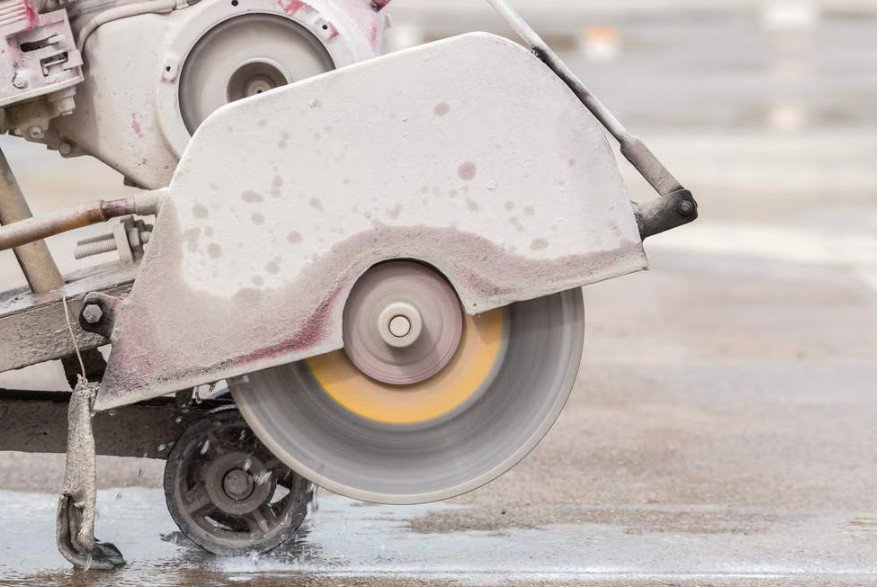
- Floor saws for slab cutting
- Core drills for circular penetrations
- Wire saws for large or complex structures
These tools allow for clean, accurate cuts with minimal vibration, reducing the risk of cracking or structural disturbance.
3. Controlled Cutting Techniques
One of the key advantages of professional services is controlled execution. Instead of force or guesswork, experienced operators follow precise cutting lines and depth controls.
This ensures:
- Minimal damage to surrounding structures
- Clean edges suitable for construction or finishing
- Reduced dust and debris
- Greater efficiency on site
Controlled cutting is especially important in occupied buildings or sensitive environments where disruption must be minimised.
4. Compliance with Safety Standards
Construction and demolition work in Australia is governed by strict safety regulations. Professional concrete cutters are trained to comply with these standards, including proper site setup, personal protective equipment (PPE), and risk management procedures.
This not only protects workers but also ensures that projects meet legal and insurance requirements.
5. Reduced Noise, Dust, and Disruption
Modern concrete cutting techniques often incorporate water suppression systems and dust extraction tools to reduce airborne particles. This is particularly important in urban or residential areas where noise and dust must be carefully managed.
Lower vibration cutting methods also help protect nearby structures from unnecessary stress or movement.
Common Applications of Professional Concrete Cutting
Concrete cutting is used across a wide range of construction and renovation scenarios, including:
Residential Projects
- Installing new doors or windows
- Creating openings for renovations or extensions
- Cutting driveways or slabs for plumbing upgrades
- Pool construction and landscaping modifications
Commercial Construction
- Structural alterations for fit-outs
- HVAC and electrical service penetrations
- Car park modifications
- Building refurbishments
Infrastructure and Civil Works
- Road and bridge modifications
- Utility installation and access points
- Expansion joints and controlled demolition
In all cases, precision is essential to avoid compromising surrounding structures.
The Role of Experience in Avoiding Mistakes
Even with the best equipment, concrete cutting still relies heavily on operator experience. Understanding how different concrete types behave, how reinforcement is likely positioned, and how structures distribute load is critical.
Experienced professionals can anticipate potential issues before they occur, adjusting techniques to suit the specific conditions of each site. This level of judgement is what separates safe, efficient work from costly errors.
Why DIY Concrete Cutting Is Risky
While DIY renovation culture is growing, concrete cutting is one area where attempting it without training is strongly discouraged.
Common issues with DIY approaches include:
- Inadequate equipment
- Lack of structural understanding
- High risk of service strikes
- Poor cut quality requiring rework
- Safety hazards from improper handling
In most cases, any upfront savings are quickly outweighed by repair costs or project delays.
Long-Term Value of Professional Work
Investing in professional concrete cutting doesn’t just prevent mistakes—it improves the overall quality and longevity of a project.
Clean, accurate cuts ensure that:
- Structural integrity is maintained
- Follow-up construction fits precisely
- Finishing work is easier and more polished
- Future modifications remain possible
It also provides peace of mind that the work has been completed safely and in accordance with industry standards.
Final Thoughts
Concrete cutting is a foundational step in many construction and renovation projects, but it is also one of the most technically sensitive. Mistakes can lead to structural damage, safety risks, and costly delays that far outweigh the price of doing the job properly in the first place.
By relying on experienced professionals, using the right equipment, and carefully assessing each site before work begins, these risks can be significantly reduced.
In the end, professional concrete cutting is not just about making precise cuts—it’s about protecting the integrity of the entire project.